05
Mar
The removal of estrogen-producing organs in immature dogs can cause growth plates to remain open. Neutering does not cause prostate cancer in dogs but seems to make conditions for tumor growth more favorable once it begins.

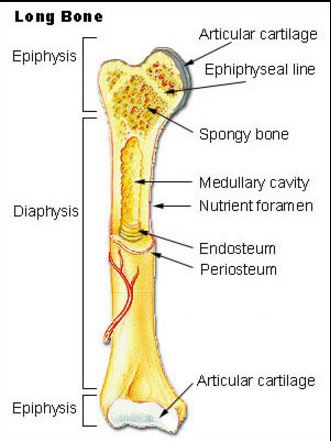
Neutering too soon effects the growth plates. Neutering and Growth Removing testosterone typically delays the closing of the bone growth plates in dogs aged 7 months or younger resulting in a slightly taller dog. He also may have a tendency to gain weight but unlike his bone plates this is something you can prevent or reverse with diet and exercise and may be affected by the age at which he is neutered. The hormone estrogen which is no longer produced in spayed or neutered dogs plays a crucial role in bone growth and development.
The removal of estrogen-producing organs in immature dogs can cause growth plates to remain open. Some vets believe that spaying or neutering your dog too soon may deprive them of the sex hormones they need to mature. Skeletal growth is controlled by these hormones.
If the surgery is performed too soon your dogs growth plates may take significantly longer to close. Male dogs can benefit from neutering in a variety of ways. Sterilization particularly early sterilization causes the growth plates of the bones to close later.
There are fears that this delay can increase the likelihood of fractures. In addition to the growth-plate issue there is growing concern that the lack of sex hormones in a sterilized dog can foster the rise of bone cancer. Testosterone is responsible for closing growth plates so removing testosterone before adulthood will delay growth plate closure.
Neutering young cats makes them grow taller. Obviously entire toms develop thicker skin and wider jowls and are often more muscular as a result of their prolonged testosterone exposure. An injury to the growth plate might not heal properly nor heal in time for a puppy to grow up straight and strong.
Such an injury can result in a misshapen or shortened limb and that in turn can create an incorrect angle to a joint which can make the puppy more prone to even more injuries when he grows up. But what about neutering a dog. Because he is an active high energy breed it seems all the more important not to interfere with the normal growth patterns by neutering too soon.
So I have to weigh Jaspers need for more exercise and distance obedience training against his need as a high energy breed for proper development and sound joints. Some veterinarians say that spaying and neutering too early will deprive your dog of the sex hormones necessary for their maturation. These hormones are responsible for skeletal growth.
If the procedure occurs too early it may take much longer for your dogs growth plates to. This means that the growth plates in the long bones stay open longer and you get a slightly taller dog. However the statistical difference that everyone refers to really only happens if you neuter really young.
The study was done on 7 week old puppies when the various shelter spayneuter programs were being debated. H5Early Neutered Animals Are Tallerh A study by Stubbs and Bloomberg 1995 set out to answer the following theory. Estrogen tells the growth plates to stop.
Thus if you remove the estrogen-producing organs in immature dogs female and male you could expect cause growth plates to remain open and the dog to grow longer bones. Neutering does not cause prostate cancer in dogs but seems to make conditions for tumor growth more favorable once it begins. Hormone levels of intact dogs appear to have a damping effect on the growth rate of tumors.
This is a cause for informed concern but not alarm. Prostate cancer is rare in dogs. This may be the area with the most clearly defined risks and benefits.
It is well documented that spaying and neutering before skeletal maturity is reached before the growth plates have closed will delay closure of the growth plates which will result in. Spaying and Neutering Dogs Too Early - A Stark Warning. Spaying and neutering can make for a better and more affectionate family pet.
It is a medical fact that spaying and neutering can prolong the life of our pets and may reduce the number of health problems in later life. Females can benefit from spaying by reducing the incidence of uterine. One possible risk that comes from neutering a male Poodle is a delay in growth-plate closure.
However this is not a significant risk. In fact X-rays have proved that the delay is an extremely minute difference that does not lead to any further problems down the line. A single study has shown that cardiac tumors can occur as a result of neutering.
Giving your dog any surgery and anesthesia poses additional risks for your dog. Keep these in mind as well when you decide if spayneuter is an option for your dog. One thing that is clear is that the risk of joint disease in particular is greatly exaggerated if your dog is sterilized before the growth plates close.
I was worried that neutering him too soon would mean he wouldnt reach his max potential not that I am trying to get the biggest dane possible I am just trying not to mess with nature too much. After talking to several people about this I found that it wouldnt have that big an affect on their growth because it is also growth hormone duh. The effects of neutering during the first year of a dogs life especially in larger breeds undoubtedly reflects the vulnerability of their joints to the delayed closure of long-bone growth plates when neutering removes the gonadal.
Many people breeders trainers etc have told me that spaying or neutering males and females before a dog is done growing can affect heightthe dog grows too tallbecause it affects the hormones that are released to tell the growth. However research and anecdotal evidence indicate that spaying or neutering Great Danes too soon is detrimental to their long-term health. Great Danes grow at an incredible rate in the first year of life.
By postponing this procedure you give their bodies the necessary time to develop. When an animal reaches maturity the growth plates fuse and bone growth stops. Pediatric spayneuter results in later fusion of those growth plates which means cats spayed as kittens tend to be.
Previous post
New bearded dragonNext post
Neuter stitches bleeding time