24
Feb
A T5 UVB is recommended T8 has been found to be less effective. Ribbon snakes plains garter california red mexican checkered butlers and the list goes on and on.

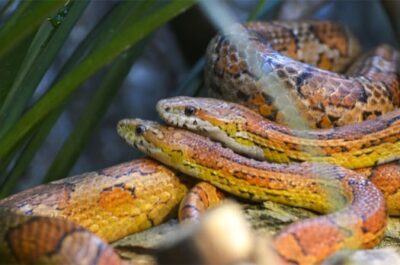
Snakes that can be cohabbed. Garters are underrated. Theyre one of the few types of snake where cohabbing is acceptable. In fact many people say they do better when cohabbed rather than alone.
Theyre also diurnal and love to come out in the day and bask under a lamp. They also take a lot of different foods like nightcrawlers fish and mice. Another hazard of cohabiting boas is that of breeding.
Temperaments can quickly turn heated during mating season which could happen any time of the year with captive boas. Male boas are not shy about fighting for dominance if they both desire the same mate. This fighting while not often deadly can be.
Watch out for the safety of your boas. Otherwise Ive not cohabbed and cant comment further. 01 Jungle Carpet Bhageera 20 Corn snakes Castor Pollux 11 Cal Kings Lux Nyx 01 Honduran Milksnake Demeter 01 Rosy boa Neki-monster 10 Axolotl Grendle 2 tarantulas 01 Leopard gecko Remus and a freezer full of mice and Rats.
This picture shows Cymbal on his first day here. He is very skinny and very scared. He was cohabbed with another boa that had passed away while the owner was out of town.
Unfortunately it is quite clear they were not well cared for. But thats why hes here to get a second chance at a long comfortable life. Housing reptiles together is possible but it must be done with caution and a lot of research.
Some species such as aquatic turtles and tortoises can live together but many species cannot including most pet snakes. There are many other considerations such as diet temperature requirements and general husbandry of each species. The rosy boa prefers warm to hot climates but not extremely hot.
It is a small non-venomous snake that belongs to the boa family. It is native to the southwestern United States from California to Arizona and also in western Mexico. The rosy boa is found across the Mojave Desert and the deserts in Colorado.
Brown Anoles can be cohabbed with each other. They are a social lizard but can be aggressive towards other species. In the wild Brown Anoles are wiping out the Green Anole population so they should not be housed with any other species of anole besides their own.
Sure some snakes CAN be cohabbed but the only ones that SHOULD be cohabbed are garter snakes as they generally eat better when they are with friends. Generally disappointing on the reptile front. The tortoises outside didnt appear to have water or heating and had no vegetation to eat.
I would disagree with the people on here you can absolutely cohab. There are many types of garter snakes that go by different names. Ribbon snakes plains garter california red mexican checkered butlers and the list goes on and on.
Whats important for our purposes is that a ribbon snake is indeed a type of garter snake. Garters have no defense mechanism and a fox snake will get much larger than the garter even if its a female. Most snakes shouldnt be cohabbed to my knowledge garters are one of the few exceptions that can be housed with other garters but even then some garter species like eastern black necks and wanderings are notoriously aggressive and this should be researched.
Ball pythons are not social animals and can stress each other out. I also hope they are not being cohabbed. Im not trying to be a downer but its important to keep snakes separated unless you are breeding them which in that case they would be together temporarily.
Those snakes might one day decide froggy looks like a nice snack but the risk is far less than keeping they same pairing in what most keepers will put a GTP in. And again with BTS- people will tell you not to keep them together in an enclosure as they can and will bite off each others tails and toes but so many people have so much success. Some large scale breeders such as AcReptiles claim you can keep Breeding pairs Cohabbed year round however this is not recommended as your Crested Geckos can drop weight very quickly drop their tails lose crests and sustain many other injuries - so this is only for more experienced breeders to experiement with.
The forum is not dedicated to chams so its a mix of keepers of other things that CAN be cohabbed in most circumstances. Theres already some bias for cohabbing. It didnt strike me as a forum harboring loads of cham specialists and the research they bring.
But that was a quick pass. Not that theres anything wrong with snake keepers. If the corn snake has been in the presence of a male at any time in the last 46 years its quite possible the eggs are fertile.
If the corn snake has had no male contact in more than 6 years then the eggs are most likely slugs and not fertile. Ive had a corn snake lay eggs with no male corn snakes having been near her in over a decade all her. 87k votes 203 comments.
287m members in the aww community. Things that make you go AWW. Like puppies bunnies babies and so on.
So with fucked up breeding comes fucked up genetics. Sugar gliders born with missing limbs messed up spines and other birth defects that would really mess them up and drop their life expectancy. Speaking of life expectancy they say on their website that sugar gliders live for 3.
Females can be cohabbed. It require that they are about the same size and you keep an eye on them. Sometimes they maybe not directly bite or fight each other but they can also be dominant to one another so that for example one is kept away from the food.
These are people who have developed knowledge theories and intuitions about reptile psychology as distinct and radically different than human psychology. They are able to see and accept reptiles as different and work constantly on trying to identify behavior cues in general. This means they can often identify problems before they begin.
This is why Im confused because the seller said the guy who owned this snake was giving one egg a week 10 Pumpkin Pied BP 01 KSB 01 Bearded dragon 12 Leopard gecko 01 Ornate Pacman Frog 11 Barred tiger salamander. A T5 UVB is recommended T8 has been found to be less effective. African Fat-tailed geckos do like most reptiles need a heat source of some kind.
This is a bit of a debated topic but I would recommend either a CHE DHP or Heat mat. You can use this post to find links to those heat sources. Heat sources to NEVER use include heat rocks and.
Your tokay may be a Typhoid Mary remaining symptomless its entire life while shedding bacteria like crazy that can infect a handler and other reptiles in the handlers care. If you suspect that your pet tokay is suffering from something it is wise to assume Salmonella is the most likely culprit once all other aspects of environment and nutrition have been eliminated as the source of the. Recently i saw my ball python Noodle do something that scared me so much.
She looked as if she was trying to cough up something and wheezing contorting her body. This is a sign of a URI upper respiratory infection. These if not treated early can be extremely life threatening.
My last ball python died from a respiratory infection that i unfortunately caught to late for him to be. Location City andor State Chicago Illinois USA. Long story short my sulcata may have given my bearded dragon Ranavirus which is symptomless on my tortoise but flared up skin bumps on my BD.
Took two weeks of treatment including antiviral shots antiviral oral pills betadine and UV therapy to get rid of in my BD.
Previous post
Snakes that have live birthsNext post
Snakes give live birth