
11
Oct
In the simplest terms swim bladder disorder is when a disruption occurs within the swim bladder of your betta. In the simplest terms swim bladder disorder is when a disruption occurs within the swim bladder of your betta.
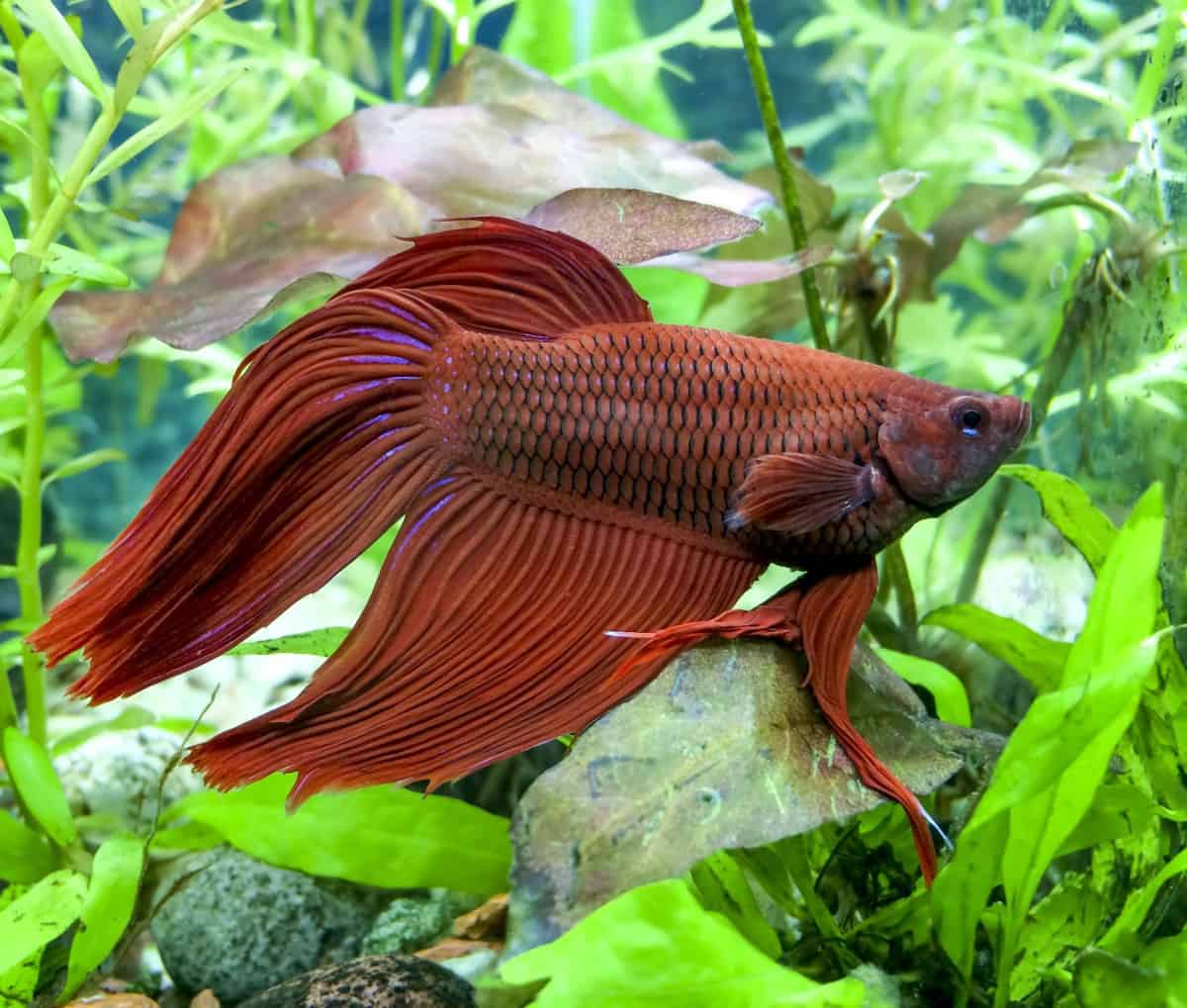
Swim bladder betta. What Is The Swim Bladder. Your bettas swim bladder is the organ which allows him to control his buoyancy. Instead of constantly swimming to stay in place the swim bladder does the work instead.
Helping your betta save energy and swim easier. It is located behind all the other organs so if any of them swell it can affect your betta. Never over-feed your betta fish.
If your betta fish has swim bladder disease due to a birth defect then it cannot be treated. Conclusion In conclusion the swim bladder is a scary condition but it is preventable and is definitely not a death sentence for your fish. In the simplest terms swim bladder disorder is when a disruption occurs within the swim bladder of your betta.
This is a fairly common disease among bettas. However it does have the benefit of being fairly easy to treat. As we mentioned before the success of your treatment is going to be fairly dependent upon how quickly you notice the condition.
Swim Bladder Disorder is actually hard to diagnose properly because any one of a Bettas internal organs can get infected and cause bloating. Our very old sick Fighting Fish by JohnstonDJ is licensed CC BY-SA 20. Air can also get trapped in the stomach and intestines causing the fish to float.
The most common cause of swim bladder disorder in betta is constipation. If they are suffering from this theyll look fairly healthy overall but youll notice a lack of defecation and a bloated stomach. The signs of overfeeding are similar to the symptoms of constipation so it can be tough to tell the two apart.
If your favorite betta fish isnt swimming the way he should there is a chance he is suffering from swim bladder disease. Swim bladder disease is a common problem in bettas but is easily treated. The swim bladder is a gas-filled sac inside your fish.
It helps the fish rise and lower in the water much like a buoyancy control device a diver might use. Betta Swim Bladder Disease. Basically in a nutshell betta swim bladder disease is a catch all phrase that covers a few symptoms related to the bettas swim bladder.
This is an organ that assists the betta when to hover when swimming. When it is affected it can be hard for your betta to swim properly. A swim bladder is a gas-filled organ inside betta fish that controls a fishs level of buoyancy.
When your betta fish confront swim bladder disease or SBD issue his organ is malfunctioning. He cannot easily move around in his tank. Bettafix doesnt work on a swim bladder problem and its not really good for Bettas as it has a Tea Tree oil and is said to coat the Labyrinth Gland making it harder to get air.
A lot of times swim bladder problems in Bettas are caused by poor water quality from being in a too small bowltank. Daily 25-30 water changes work wonders. Instead they may end up floating to one side or up or leaning forward or backwards.
Once again this is because theyre swim bladder can no longer give them the proper buoyancy they need. When your guppies are suffering from swim bladder disease even eating can become too much of a problem for them. The swim bladder is an organ used by betta fish that allows control of his buoyancy.
This organ helps the fish swim easily and saves energy during the swim. Honestly swim bladder disease is not actually a disease at all. The good news is that often with bettas their swim bladder is just being affected by something.
Honestly it is most often a full tummy or comstipation pressing on the swim bladder. This is why peas and fastin gare being suggested. It is a great place to start and the same thing I.
Is this swim bladder disorder in my female betta from overeating or nitrate poisoning. Salt bath treatment for Sarasa Comet Swim Bladder or Ammonia Poisoning how often. My betta fish has swim bladder disease as he keeps sinking tail first.
The swim bladder is an organ that allows your betta fish to control its buoyancy. This saves them energy because they are not consistently swimming to stay in one place or afloat. The swim bladder is located behind all the other organs.
In a fishs world being unable to right ones-self may be a sign of a swim bladder problem commonly referred to as Swim Bladder Disorder Swim Bladder Disease or SBD for short. In simple terms the swim bladder is a gas filled sac located in the bettas body posteriorly toward the tail end. The Betta fishs swim bladder is a large organ located behind its intestines and extends until the tail.
It contains gas and is responsible for controlling the fishs buoyancy. Therefore it controls the position of the fish in the water. Swim bladder disorder refers to a collection of issues affecting the swim bladder rather than a single disease.
Although commonly seen in goldfish and bettas it can strike virtually any species of fish. The swim bladder is found beneath the Betta fishs internal organs. Its health is essential because it helps the fish swim in the water.
In other words the swim bladder is a Betta fishs swimming mechanism. Without a healthy swim bladder fish cannot swim in the water normally. Swim bladder disease or swim bladder disorder is when bettas suffer from a dysfunctional swim bladder.
This is a common problem in aquarium fish and can also affect bettas. 10 Betta Fish Diseases and Symptoms and How to Treat Them. Types of Swim Bladders Disease Betta.
Fish can be conditionally divided into two types in which the work with filling the swim bladders with gas is structured differently. Some fish are of the so-called open-bubble type ie. They have a channel that directly connects the bladders and the food system much like in humans.
Previous post
Swim bladder diease signs bettaNext post
Swifter juet dangerous to animals