
21
Jul
If they are suffering from this theyll look fairly healthy overall but youll notice a lack of defecation and a bloated stomach. If your bettas swim bladder disease is being caused by any of the above you will notice the following symptoms.
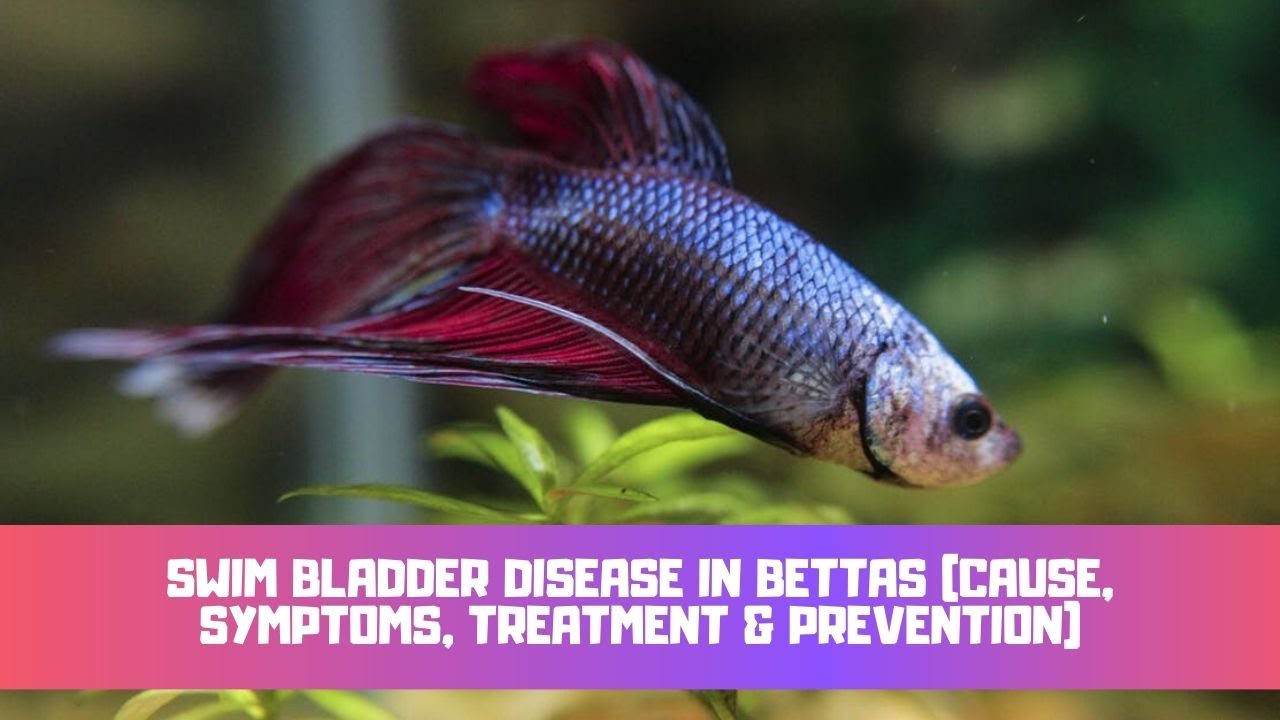
Swim bladder disease betta symptoms. If your bettas swim bladder disease is being caused by any of the above you will notice the following symptoms. Trouble swimming and buoyancy problems You may notice your betta unable to move from the substrate in your tank or on the other hand he may only be able to float on the surface of the water. These fights are unfortunately common.
The stress can put a serious toll on your betta impacting how they eat and travel about the tank. Such conditions can cause several issues and one of them can be the symptoms of swim bladder disease. There is no question that swim bladder disease is something that you need to take seriously.
Swim Bladder Disease symptoMs. Struggling to stay buoyant. Upside down or sideways swimming.
Betta swim bladder problems can also be a symptom of more serious conditions like dropsy or look similar to other diseases. Be sure to rule these out first before deciding on a treatment. Be sure to rule these out first before deciding on a treatment.
So Here we are going to discuss about Swim Bladder Disease Betta Symptoms and Treatment. It is very often when fish lose their ability to swim normally for example they are in an unnatural position near the surface of the water or at the very day aquarists and other people who often observe this pass the death sentence on the fish without even trying to figure out the. Maintain a clean and healthy environment for your betta fish.
Symptoms include difficulty swimming or floating and standbying too much on the side of the aquarium. Treatment will vary depending on the reason for the disease. As the name suggests the Popeye disease can make the eyes of your betta fish âœpopâ.
The most common cause of swim bladder disorder in betta is constipation. If they are suffering from this theyll look fairly healthy overall but youll notice a lack of defecation and a bloated stomach. The signs of overfeeding are similar to the symptoms of constipation so it can be tough to tell the two apart.
Symptoms of Swim Bladder Disorder Fish suffering from swim bladder disorder exhibit a variety of symptoms that primarily involve buoyancy including sinking to the bottom or floating at the top of the tank floating upside down or on their sides or struggling to maintain a normal position. When it is affected it can be hard for your betta to swim properly. It could be the result of various symptoms like constipation genetics parasites dangerous nitrate levels or even bacteria and infections.
At betta fish news club we. Swim bladder disease can manifest as a symptom of another condition such as an ongoing fin rot disease or parasite attack. Intestinal parasites can lead to the fishs intestines to become swollen and put pressure on the swim bladder.
Does your fish seem to be struggling to maintain a normal position. If you answered yes your beloved betta may be experiencing swim bladder disease. In addition to the symptoms mentioned above you may also notice that your fish experiences these symptoms too.
Struggles to maintain a normal position. Has a curved back or distended belly. The symptoms that come with swim bladder disease are fairly easy to spot.
So make sure youre looking out for the following if you think that your guppy has the disorder. In a fishs world being unable to right ones-self may be a sign of a swim bladder problem commonly referred to as Swim Bladder Disorder Swim Bladder Disease or SBD for short. In simple terms the swim bladder is a gas filled sac located in the bettas body posteriorly toward the tail end.
Symptoms of Swim Bladder Disorder. There are many types of Swim Bladder Disorder and the symptoms vary quite a bit. Here are the most common signs and symptoms to help diagnose SBD in your Betta.
Helplessly floating at the surface. This is the most common sign of SBD. Struggling at the surface shows that your Bettas natural buoyancy is somehow not.
Do you think your betta has swim bladder disease. Then watch this video to find out everything you need to know about swim bladder disease in bettas. The swim bladder is a hollow organ which inflatesdeflates to keep the fish swimming upright and straight.
This can be from over eating swallowing air constipation pressure from pregnancy water quality issues injury particularly a blow to the organ and the list goes on and on and on. Any sign that your fish is struggling to remain upright may indicate theyre suffering from swim bladder disease. Since the most obvious symptom of this condition is their tendency to mimic a dead fish floating near the lid of the tank more often than not swim bladder disease is also referred to as Floating Disorder.
The most common symptoms of swim bladder disorder in Betta fish are swollen bellies and difficulty swimming upright. Your fish might have a hard time swimming to the top of the tank. Or from the top of the tank your fish might be finding it hard to swim down.
Swim Bladder Disease is a disorder common in Betta fish. It includes the swelling of the swim bladder which eventually messes with the buoyancy of your Betta fish. The swim bladder is found beneath the Betta fishs internal organs.
Its health is essential because it helps the fish swim in the water. In other words the swim bladder is a. Swim bladder disease Main symptoms.
Floating strangely swimming sideways or upside down not appearing in control of swimming Swim bladder disorder is when youll notice difficulty with swim movement or inability for your betta to stay at the surface of its tank or bowl because it has lost its buoyancy control due to a problem with its swim.
Previous post
Swim bladder disease in bettaNext post
Swim bladder disease betta cure