
16
Jul
Larger anemones need more frequent feeding. This helps it to feed and grow in its own right.
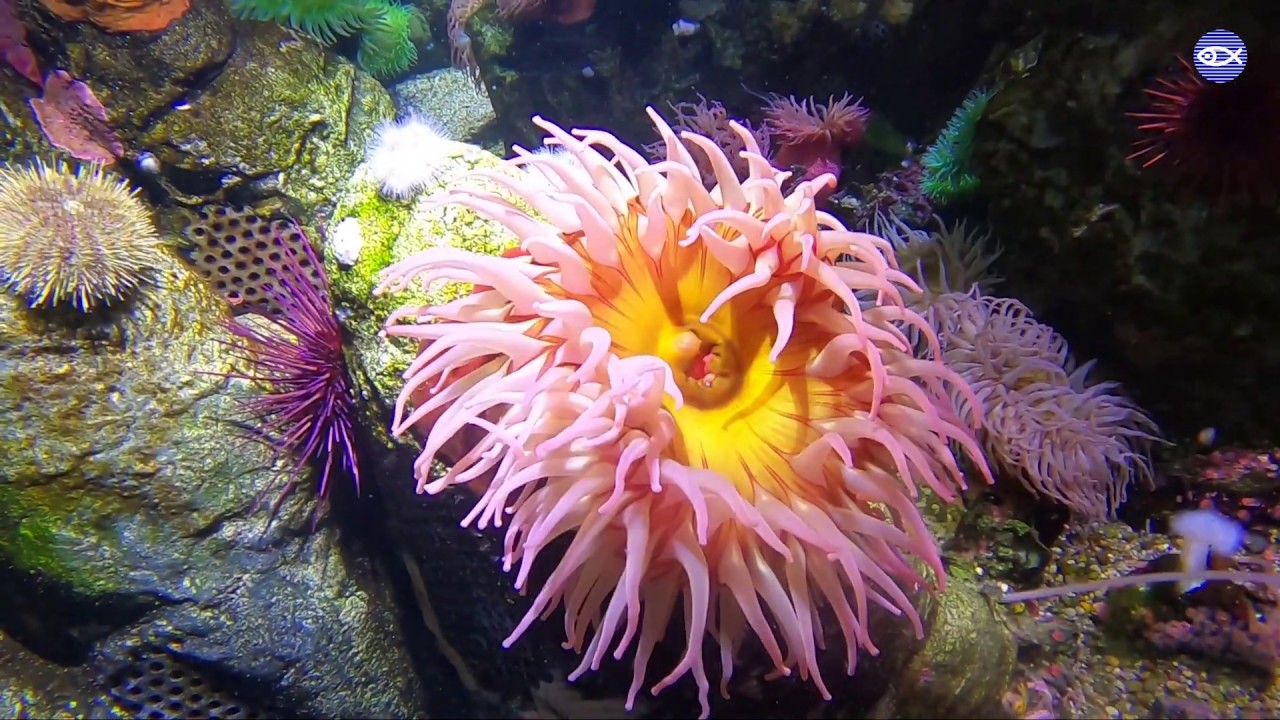
The best way to feed an feed an anemone. To accelerate the growth of your anemones feed them once a week or more often. The ideal foods for anemones are protein-rich foods such as scallops clams shrimp and mussels. Placing your anemone once you get it home can also be a.
In terms of feeding you dont need to feed anemones. Some people feed them weekly to get them to grow some never feed them. Some people feed them weekly to get them to grow some never feed them.
Feed your BTA 1-3 times weekly depending on size and activity. Follow its behavioral cues to reduce or increase feeding frequency. If your anemone is hosting clown fish you dont need to feed it very often.
The clown fish will provide the anemone with food. For smaller anemones I would recommend that you feed them Reef Roids directly. As they get larger you can opt to feed them mysis shrimp and eventually move on to larger chucks of frozen food like LRS reef frenzy sliversides and even fresh shrimp from the super market.
Once a clownfish hosts an anemone it will also attempt to feed your anemone. Proper and regular feeding is an excellent way to get anemones to split faster. The nutrients help them to grow well and split naturally which leads to sound propagation.
The more you feed your bubble-tip anemone the faster it will grow. A variety of snails and sea slugs feed on anemones eating both the body and the tentacles by approaching the anemone numerous times despite getting stung by its tentacles and then biting on them. Slugs can take a few bites before the sea anemone detaches itself and floats away but if the sea anemone does not escape the slug can eat the entire sea anemone.
Plant anemones as soon as possible after purchase as the tubers can dry out. Plant tubers of Anemone blanda and rhizomes of Anemone nemorosa in early autumn and tubers of Anemone coronaria in spring. Soak them in water for around 10 hours prior to planting then plant 5.
How To Feed Sebae Anemone. Take a small cup and fill it with the aquarium water. Soak the diet of the water in the cup.
Wait about 20-30 minutes. Then chop the foods and feed your Sebae anemone. Feeding frequency depends on the size and the age of the Sebae anemone.
It would be best if you fed giant Sebae anemone daily. Anemones can take up to 2 to 3 minutes to take the food and put it in its mouth followed by closing its mouth. A stressed anemone will take longer.
Just keep an eye on the other critters and fish in the tank as they usually will try to steel food form the anemone while it is trying to eat it. Clownfish Do anemones need clown fish. After good water and lighting the next thing to take into consideration is feeding and I attribute my own successes with anemones not just to acceptable water quality and light but also to regular feedings.
Anemones are carnivores and should be treated as such. Not feeding your bubble tip anemone is okay too but to get them to bubble up again you will need to feed them. Because of the anemones zooxanthellae algae inside of their living tissues as mentioned earlier these anemones can absorb sunshine and photosynthesize energy for strength and growth.
So feeding bubble tip anemones is optional. Things to remember when feeding your anemone. Feed once or twice a week.
Larger anemones need more frequent feeding. Thaw frozen food before feeding. Thaw frozen food before feeding.
How many anemones can I keep in a tank. Anemones are carnivorous feeding on tiny plankton or fish. Their stinging tentacles are triggered by the slightest touch firing a harpoon-like filament called a nematocyst into their prey.
Once injected with the paralyzing neurotoxin the prey is guided into the mouth by the tentacles. One such method is called suspension feeding the eating of food suspended in the water. There are two ways that a marine animal can feed using this.
According to the Journal of Experimental Marine Biology and Ecology the ammonia-rich poop of the clownfish can act as fertilizer to the anemone. This helps it to feed and grow in its own right. Furthermore clownfish increase the amount of nutrients anemones can eat.
The best way to introduce Clownfish and anemone is to acclimate the anemone first and then add your Clownfish. Small space so making sure there is an area available for them to call their own is the only real requirement besides feeding them. Anemone just looks really nice in the tank.
Some people claim the Clownfish is trying to feed. Rock flower anemones tolerate sharing a tank with most popular fish species. You need to drip acclimate your rock flower anemone due to the stress of shipment or it may not adapt to the tank.
Rock flowers are NOT compatible with clownfish. Theyll sting and possibly eat the fish. That way the predatory instinct of clownfish is satisfied.
Regular clownfish food includes. You should also provide live feed such as worms and brine shrimp. You can also give them top quality dry feed.
For vegetables you can give clownfish chard and cooked. Feeding will allow your corals to respond to the scent of food added to the tank and will activate their feeding responsesUsing a target feeding tool such as a pipette or a turkey baster suck up a small amount of Nyos Artemisand then gently expel the food towards the corals you wish to feed and. Cut the fresh uncooked seafood into very small pieces and use tank tongs or a turkey baster to deliver the food to the anemones mouth.
You should be warned that Condy Anemones can move around the tank albeit slowly. This means that you will need to use foam filters over any power head intakes. The best we can recommend for feeding is combining a few different foods together soaking them in water for at least 10 minutes and then target feeding your corals with a baster or coral feeding pipet.
Previous post
The bichon frize yorkieNext post
Tetracycline for pets