02
Oct
Some species of turtles have colored markings on their shells that can be red orange gray or yellow. A variety of different marking systems for hard-shelled turtles have been described Plummer and Ferner 2012 yet many identification systems are complicated and require written.
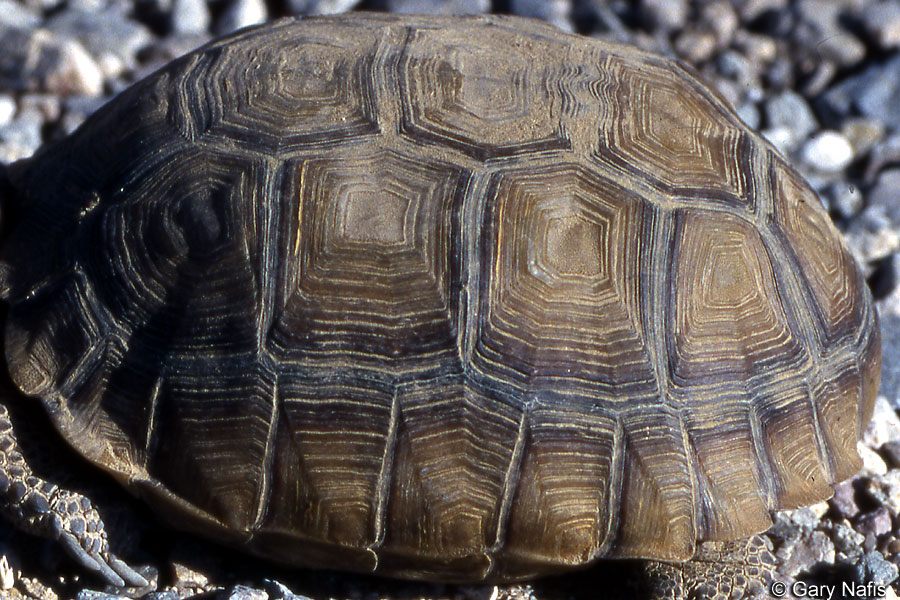
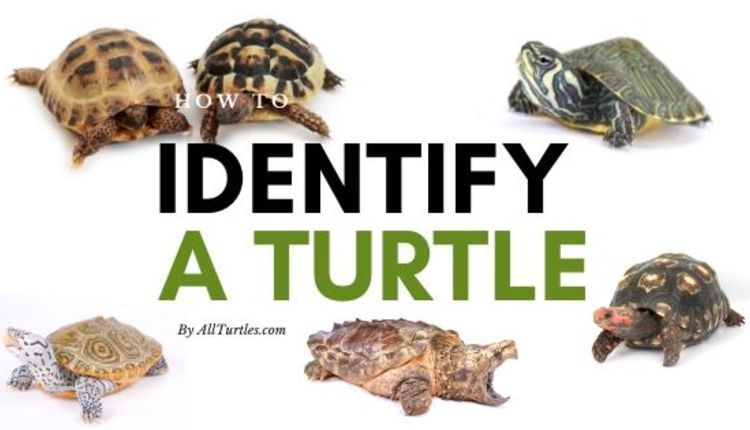
Turtle shell markings. But yes the patterns on the shell of the turtle provides a quick way to identify a turtle because it is visual. For sea turtles for example if the turtle has 5 ridges along the carapace instead of box-like scutes it is a leatherback turtle. The Turtle Identification Key on the right provides an example on how the patterns on the carapace of a turtle can be used to identify.
How to Mark a Turtle Marks are made by filing a small v-shaped notch in the marginal scutes on the turtles carapace top shell as shown below. Turtle ID Each turtle is assigned an individual ID that corresponds to the mark you have given the turtle. The ID consists of a series of letters unique to that turtle.
ABX BJK HQW IWX MPQ OPV PWX. A variety of different marking systems for hard-shelled turtles have been described Plummer and Ferner 2012 yet many identification systems are complicated and require written. From the smooth-shelled turtles you can identify an eastern painted breed by its notched upper jaw and the lines that run through its shell in red-orange.
You can tell a spotted turtle by its eyes which have an orange patch underneath. Its shell also has white or yellow spots as the name would suggest and it does not have a keel. The under-shell of a turtle is called a plastron.
Many turtles have distinct carapace shapes or markings that can be used to identify them. Some turtles have colouring such as yellow-throats or red lines on their necks. Some turtles are very small and dont grow bigger than your hand such as the stink-pot or slightly bigger is the spotted turtle.
Turtle shells vary in color. Commonly they are brown black or green. Some species also have spots or lines in different colors.
When looking at turtle shell we can tell how particular species live. Majority of tortoises have large dome shaped shells. Such shells make difficult for predators to crush it with their jaws.
While aquatic turtles have flat and streamlined shell. Their early turtle ancestors had much broader ribs than most creatures at that time. A turtles shell is dark green brown and may have black coloration to it.
There are exceptions though because some turtles have brighter shells with red yellow or orange shells. Consult your vet for other safe methods for identification tagging and marking your turtle. An excellent method that requires no particular procedure that you can use for keeping track of a turtle is to make imprints of the turtles shell pattern using paper and crayon or to use easily visible markings on the shell.
You could mark the turtle by drilling a hole in the EDGE of one of her posterior dorsal scutes. This will last for decades but is hard to see from a distance. Some people have marked turtles temporarily by putting a small dab of non-toxic but water resistant paint.
The shell of a turtle is one of the main means of identification. The shells of turtles are all generally uniform. While some might have some variation the pattern shape and size of a turtles shell should give you some idea of what kind it is.
The shell of a turtle is unique among vertebrates and serves to protect the animal and provide shelter from the elements. It is primarily made of bone and consists of two parts. The carapace which usually contains 5060 bones and covers the back of the animal while the plastron has only 711 bones and covers the belly.
They are connected by lateral extensions of the plastron. Set up a protected area on a table with all the materials. Apply the sticker with your number to the cleaned area pressing it firmly against the shell using a tissue not your bare finger.
Only now should you mix the epoxy. Make sure the tortoise is within reach but not on the table while you are mixing the epoxy. In a box if necessary.
There are many colors of turtle shells including brown black and various shades of green and gray. Some species of turtles have colored markings on their shells that can be red orange gray or yellow. So it all depends on what type of turtle youre talking about when it comes to the color of its shell.
What are the Parts of a Turtle Shell. How To Identify A Southern Painted Turtle. The Southern Painted Turtle is super easy to recognize.
Their plastron the part of their shell that is on the bottom is solid yellow. More importantly they are the ONLY sub-species that have a thin solid-colored line running down the middle of their shell from top to bottom. The upper part of the shell has dark markings on the carapace the females markings may be in a more blotchy pattern than the males.
How long it can live. Between 40 and 60 years. How big it can get.
In general Smooth Softshell turtles reach sizes between 6 and 13 inches. The Facebook page Country n Garden recently shared an. Photo of Turtle with the word GOD marking on its shell is real.
No doubt nature is very beautiful. We all are the creation and part of nature. So are the other creatures.
There are variety of creatures with beautiful features and sounds and much more. One can spend hours appreciating nature.
Previous post
Turtle without shell red ear sliderNext post
Turtle shedding shell