
19
Apr
Infectious virus was mainly. Urinary calculi have been reported in rats often associated with haematuria cystitis hydronephrosis and obstruction depending.
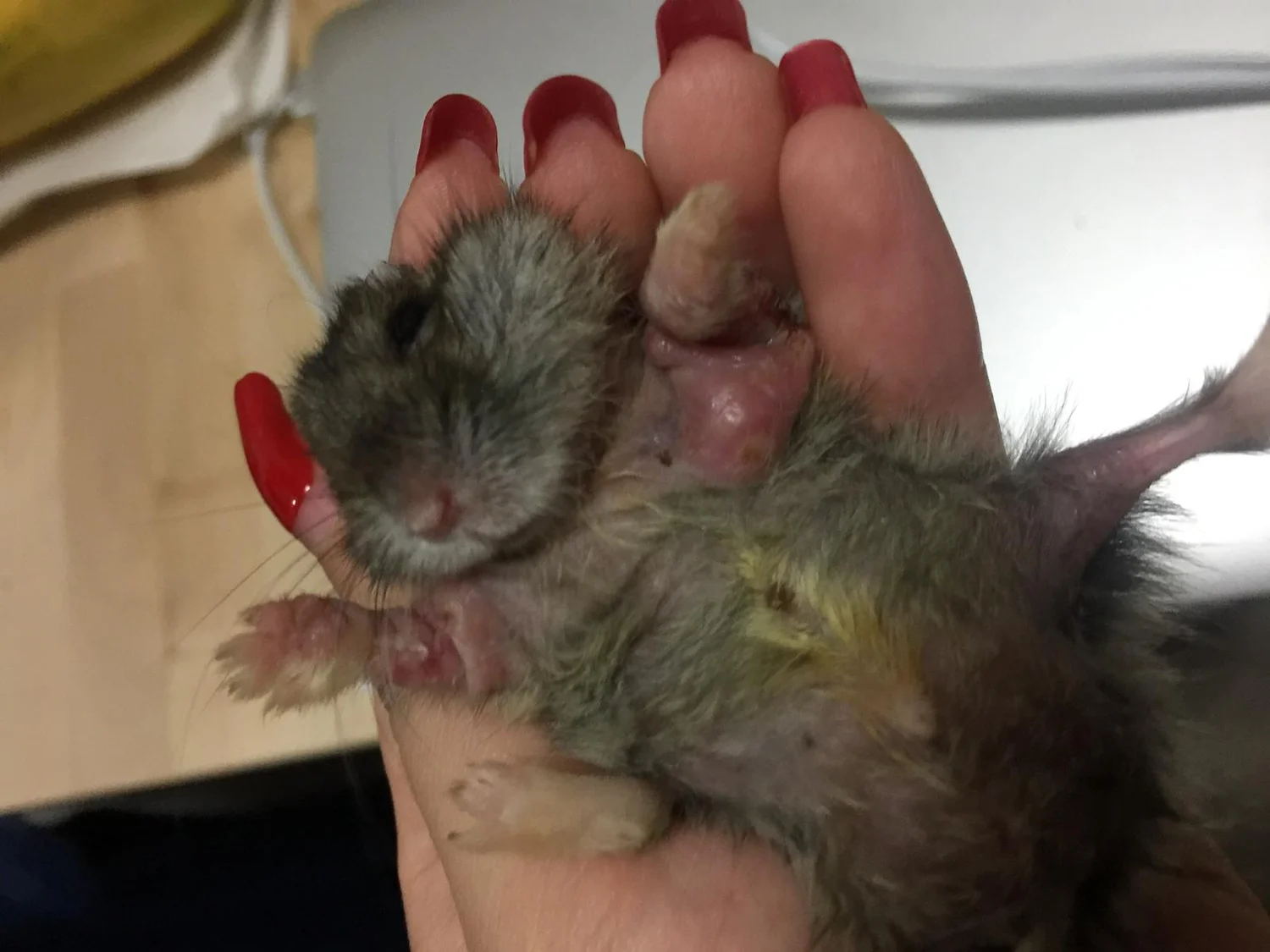
Urinary tract infection in hamsters. Hamsters are prone to getting urinary tract infections. Hamsters are prone to getting urinary tract infections. This is mostly due to their low-to-the-ground bodies picking up bacteria that enters the urethra and infects the bladder.
However spoiled food or water that is ingested can also cause bacteria to grow within the bladder. UTI Urinary Tract Infection. Common in males and females but especially so in older female hamsters.
The symptoms are frequent urination squeaking when going to the toilet smelly urine blood in the urine dirty genitalia yellow brown or very wet. Excessive drinking sleeping ruffled coat are also symptoms. Urinary Tract Infection UTI UTIs are another fairly common disease among hamsters due to their small size and the ease with which bacteria can enter the urethra and infect the bladder.
A hamster with UTI will urinate with great frequency and often with traces of blood in their pee. To confirm the diagnosis a urinalysis is usually carried out. If he is wetting his corners and there is no bad smell or bloodstaining I would not worry.
Make sure his bottle is working well as they can block up a bit with age. Hamsters can get crystals in the bladder which can lead to blockage of the urethra but he would be very ill and in severe pain and require immediate vet care so dont worry about that. Urinary tract infections UTIs UTIs can result in increased frequency of urination and urinary incontinence.
As hamsters are often very secretive the first noticeable sign is sometimes wetness around the bottom due to urine leakage. This can mimic the wetness around the back end seen with Wet Tail. Urinary tract infection.
Uterine infection pyometra Warmer than appropriate temperatures. Polyuria excessive urination Common Causes. Uterine infection pyometra Sign.
Pruritis itching Common Causes. Urinary tract infection causes hamsters to drink much water. One of the most prevalent causes of excessive drinking in Hamsters is a urinary tract infection.
Urine leakage is common as a result of these issues. Urine is acidic and prolonged exposure to it can cause urine burn in the skin around certain areas of the body. Inflammation of the kidneys which worsens over time is more common in older and female hamsters.
Hamsters with this condition lose weight produce more urine than normal and are unusually thirsty. The condition may be caused by viral infection high blood pressure in the kidneys or a disorder of the immune system. Urinary Tract Infection UTI UTIs are another fairly common disease among hamsters due to their small size and the ease with which bacteria can enter the urethra and infect the bladder.
A hamster with UTI will urinate with great frequency and often with traces of blood in their pee. To gain a better understanding of the origin of disease and the myriad of clinical symptoms experienced in humans we investigated the immunopathology across the respiratory tract as well as non-respiratory organs during SARS-CoV-2 infection in Syrian hamsters. Infection with 10 5 TCID 50 of SARS-CoV-2 resulted in mild to moderate clinical illness.
Infectious virus was mainly. Stones within the urinary tract may also be a cause as hamsters are quite susceptible to this issue. When suffering from such an infection their urine would have blood in it.
Other symptoms include frequent urination straining to urinate and poor appetite. You should also find if possible fresh dandelion leaves in the produce section of a market and give your hamster at least 12 a leaf a day. This will help cleanse her entire urinary tract.
But as i said pus isnt a normal symptom of a UTI. Does your hamster have any abnormal swelling or weight gain. Does she feel like she has an internal lump.
This title refers to the truth that this an infection ends in thickening and irritation of the internal layer of the ileum as a result of proliferation of the mucosal cells. These adjustments forestall regular absorption of vitamins by the gut. Leading to extreme diarrhoea dehydration inappetence weight reduction and finally demise.
How do I know if my hamster has bladder stones. Signs of bladder stones can sometimes be difficult to detect but it is usually associated with. Blood in the urine.
This is due urinary tracts follow intercourse in many women and taking a pill after intercourse can prevent these kinds of urinary tract infections. If you are a child under the age of ten who has had at least two infections there may be a condition known as a double ureter that can result in urine backing up into the ureters causing recurrent infections. If your pet hamster is peeing blood this can be because of injury urinary tract infection internal wounds and tumors.
It is recommended to consult your Vet for an expert opinion immediately. This peeing of blood with the urine can lead to serious problems and this should be resolved as soon as possible. Urinary Tract Infections UTI A urinary tract infection often presents with frequent urination sometimes containing blood.
There also may be urine staining the fur. UTIs require a veterinary exam and antibiotics. If you notice that your hamster cannot pass urine it should be treated as an emergency.
Preventing Urinary Tract Infection. Urinary infection is relatively common in hamsters and given that it can be hazardous for your pet prevention should be your top priority. Cranberries are found to be excellent in preventing urinary infections.
If your pet has it feed it with cranberries regularly and the symptoms could subside in a. A urine sample will be collected and this will allow your vet to determine if your hamster is dehydrated or has a bacterial infection in their kidneys or urinary tract. The urine sample will also be checked for abnormally high protein levels which is a.
We infected Syrian hamsters with B. Burgdorferi 297 and found a marked tropism of the spirochete for myocardial and urinary tract tissues. Fifty-six of 57 hearts 98 and 52 of 58 bladders 90 were culture positive.
The cardiac infection was persistent and could be documented in 21 of 22 hearts 96 cultured from days 28 to 84 postinfection. Catch urine sample can be obtained and examined for abnormalities. Baseline values have been reported for rats mice and hamsters.
Urinary calculi have been reported in rats often associated with haematuria cystitis hydronephrosis and obstruction depending. Bilateral hydronephrosis with urinary tract infection in a Campbells hamster Phodopus campbelli A. Eleftheriou Department of Clinical Studies University of Pennsylvania School of Veterinary Medicine Philadelphia PA 19104 USA.
Previous post
Urinary tract infections in hamstersNext post
Upside down husky on stairs